Tuesday, January 4, 2011

Emily Jane Brontë: "The night is darkening round me"


.

File:Caspar David Friedrich 016.jpg

Erinnerungen an das Riesengebirge (The Giant Mountains): Caspar David Friedrich, c. 1835 (The Hermitage)


The night is darkening round me
The wild winds coldly blow
But a tyrant spell has bound me
And I cannot cannot go

The giant trees are bending
Their bare boughs weighed with snow
And the storm is fast descending
And yet I cannot go

Clouds beyond clouds above me
Wastes beyond wastes below
But nothing dear can move me
I will not cannot go
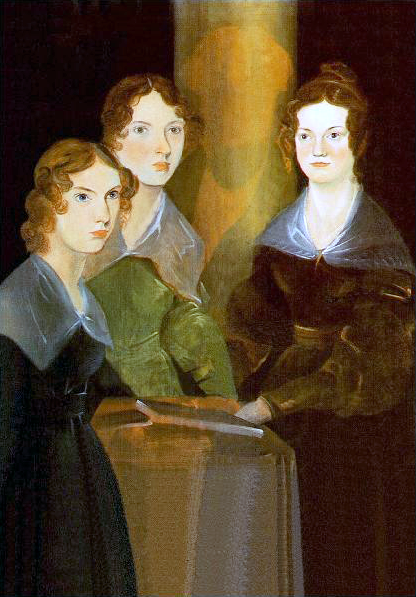


File:Painting of Brontë sisters.png

The Brontë sisters: left to right, Anne, Emily and Charlotte (in center, the shadow of the portraitist, who has painted himself out of the picture): Branwell Brontë, 1834
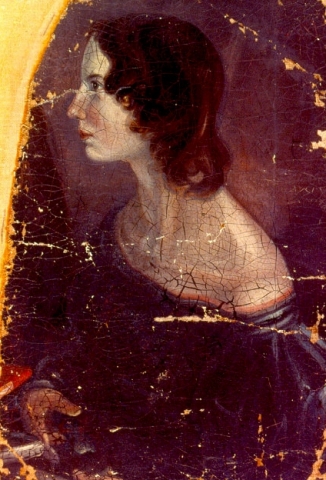
File:Emilybronte.jpg

Emily Brontë: Branwell Brontë, n.d.

Emily Jane Brontë (1818-1848): "The night is darkening round me", November 1837

Monday, January 3, 2011

Samuel Beckett: An Odd Bird ("What ruined me at bottom was the athletics")


.
File:Haematopus fuliginosus Bruny.jpg

Sooty Oystercatcher (Haematopus fuliginosis), Bruny Island, Tasmania: photo by Noodle snacks, 2010


It was five or six years since anyone had seen me, to begin with myself. I mean the face I had pored over so, all down the years. Now I would resume that inspection, that it may be a lesson to me, in my mirrors and looking-glasses so long put away. I'll let myself be seen before I'm done. I'll call out, if there is a knock, Come in! But I speak now of five or six years ago. These allusions to now, to before and after, and all such yet to come, that we may feel ourselves in time. I had more trouble with the body proper. I masked it as best I could, but when I got out of bed it was sure to show. For I was now beginning, then if you prefer, to get out of bed again. Then there is the matter of its injuries. But the body was of less consequence. Whereas the face, no, not at any price.


File:Thinornis rubricollis Bruny Island.jpg

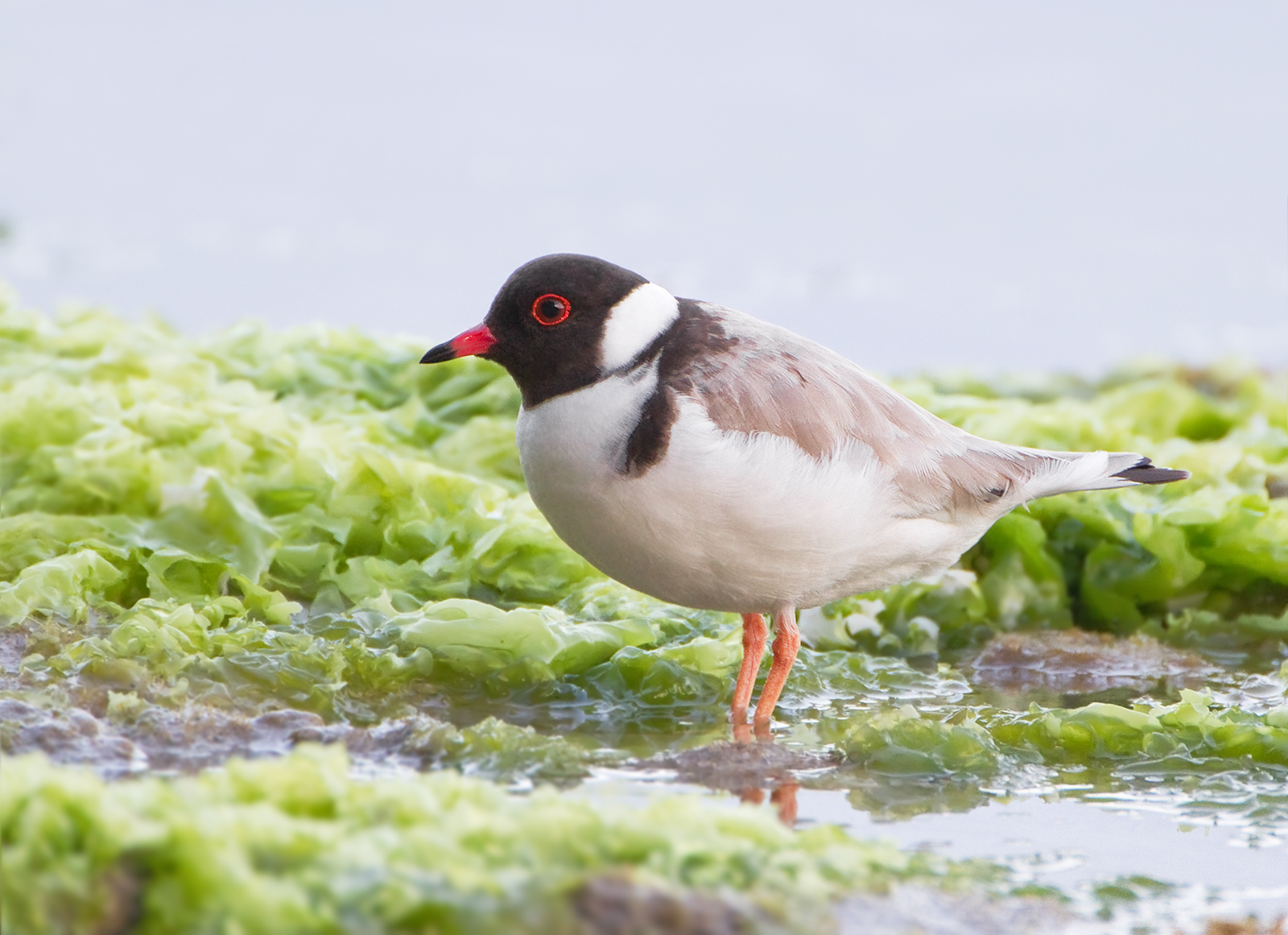
Hooded Plover (Thinornis rubricollis), Bruny Island, Tasmania: photo by Noodle snacks, 2009


For I have taken to getting up again. I thought I had made my last journey, the one I must now try once more to elucidate, that it may be a lesson to me, the one from which it were better I had never returned. But the feeling gains on me that I must undertake another. So I have taken to getting up again and taking a few steps in the room, holding on to the bars of the bed.


File:UplandSandpiperOntarioCropped.jpg

Upland Sandpiper (Bartramia longicaudia) perched on fence post, Carden Alvar region, near Kirkfield, Ontario, Canada: photo by Johnath, 2010


What ruined me at bottom was the athletics. With all that jumping and running when I was young, and long after in the case of certain events, I wore out the machine before its time. My fortieth year had come and gone and I still throwing the javelin.


Athlete, University of Nebraska, Lincoln: photo by John Vachon, 1942 (Farm Security Administration/Office of War Information Collection, Library of Congress)

Samuel Beckett: edited excerpt from Fizzle 2 (translated from the French by the author), in Fizzles, 1976

Sunday, January 2, 2011

Fernando Pessoa: Inscriptions (from English Poems)


.


How Exciting Would It Be To Hear... (The Confessions of a Mafia Don): Eric Fischl, from Rome, 1996


I

We pass and dream. Earth smiles. Virtue is rare.

Age, duty, gods weigh on our conscious bliss.

Hope for the best and for the worst prepare.

The sum of purposed wisdom speaks in this.


V

I conquered. Far barbarians hear my name.

Men were dice in my game,

But to my throw myself did lesser come:

I threw dice, Fate the sum.


VI

Some were as loved loved, some as prizes prized.

A natural wife to the fed man my mate,

I was sufficient to whom I sufficed.

I moved, slept, bore and aged without a fate.


VII

I put by pleasure Iike an alien bowl.

Stern, separate, mine, I looked towards where gods seem.

From behind me the common shadow stole.

Dreaming that I slept not, I slept my dream.


XII

Life lived us, not we life. We, as bees sip,

Looked, talked and had. Trees grow as we did last.

We loved the gods but as we see a ship.

Never aware of being aware, we passed.


XIII

The work is done. The hammer is laid down.

The artisans, that built the slow-grown town,

Have been succeeded by those who still built.

All this is something lack-of-something screening.

The thought whole has no meaning

But lies by Time's wall like a pitcher spilt.


XIV

This covers me, that erst had the blue sky.

This soil treads me, that once I trod. My hand

Put these inscriptions here, half knowing why;

Last, and hence seeing all, of the passing band.


The Offspring of a Murderous Love: Eric Fischl, from Rome, 1996

Fernando Pessoa (1888-1935): Inscriptions, 1920, from English Poems, Lisbon, 1921

Fernando Pessoa: Blank Page


.

branca [1.3 MB]

Blank verso page following title page in Fernando Pessoa:
English Poems, 1921 (Biblioteca Nacional Digital, Lisbon)


The Portuguese poet Fernando Pessoa (1888-1935) was relentlessly driven to create multiple variant literary identities for himself in his bewilderingly prolific writings.

With Pessoa the "true identity" question so often asked about writers by those who are not writers -- "Who is the real ____ ? In which of his/her works may the real
____ finally be found?" -- makes very little sense.

With a writer who appears to possess dozens of selves, which one is the true self?

It may help, in attempting to sort out this question insofar as it may relate to Pessoa (or shall we say, the many Pessoas), to consider the blank verso page following the title page of his
English Poems, 1921.


The minute grains and blemishes in the paper, the fading and discolouration, the faint stains and subtle craterlike smudges, the marks of folding and corrugation, all these small changes effected by the work of time lend the blank ochre-coloured page an uncanny resemblance to the vast, all-but-featureless landscape of a desert viewed in a satellite photo.

Meditating upon the relation of this not-quite-blank page to the larger work of the mercurial author Pessoa, one imagines the expanded view from that enigmatic gulf we call "space", the non-place where words and identities assume their true eternal insignificance.

Looking "down" from this privileged vantage upon that Great Identity-Free Void known as the universe of language, it becomes possible to sense a dimension in which a writer is permitted to have as many selves as there are grains of sand in the desert, or as he/she has works, just so long as they all fit into that one big trunk.

Fernando Pessoa: A Shrug of the Shoulders


.

http://www.chain.to/userpics/1267974977.jpg

Fernando Pessoa: José de Almada Negreiros, c. 1915


We generally give to our ideas about the unknown the color of our notions about what we do know: If we call death a sleep it's because it has the appearance of sleep; if we call death a new life, it's because it seems different from life. We build our beliefs and hopes out of these small misunderstandings with reality and live off husks of bread we call cakes, the way poor children play at being happy.

But that's how all life is; at least that's how the particular way of life generally known as civilization is. Civilization consists in giving an inappropriate name to something and then dreaming what results from that. And in fact the false name and the true dream do create a new reality. The object really does become other, because we have made it so. We manufacture realities. We use the raw materials we always used but the form lent it by art effectively prevents it from remaining the same. A table made out of pinewood is a pinetree but it is also a table. We sit down at the table not at the pinetree.


Fernando Pessoa (1888-1935): A Shrug of the Shoulders, from The Book of Disquiet

Saturday, January 1, 2011

Welcome Swallow


.

File:Hirundo neoxena risdon.jpg

Welcome Swallow (Hirundo neoxena), Risdon Brook State Park, Tasmania
: photo by Noodle snacks, 2010


Welcome, swallow,
though one
of you does not make a Spring

In fact it's freezing
mid the year's last night
and no birds sing

Cats all about
comma-shaped
forms sleeping

Window frost
within the house
and without

Traffic racing past
to party
as though

Tomorrow will never know


File:Yellow-eyed Penguin crying MC.jpg

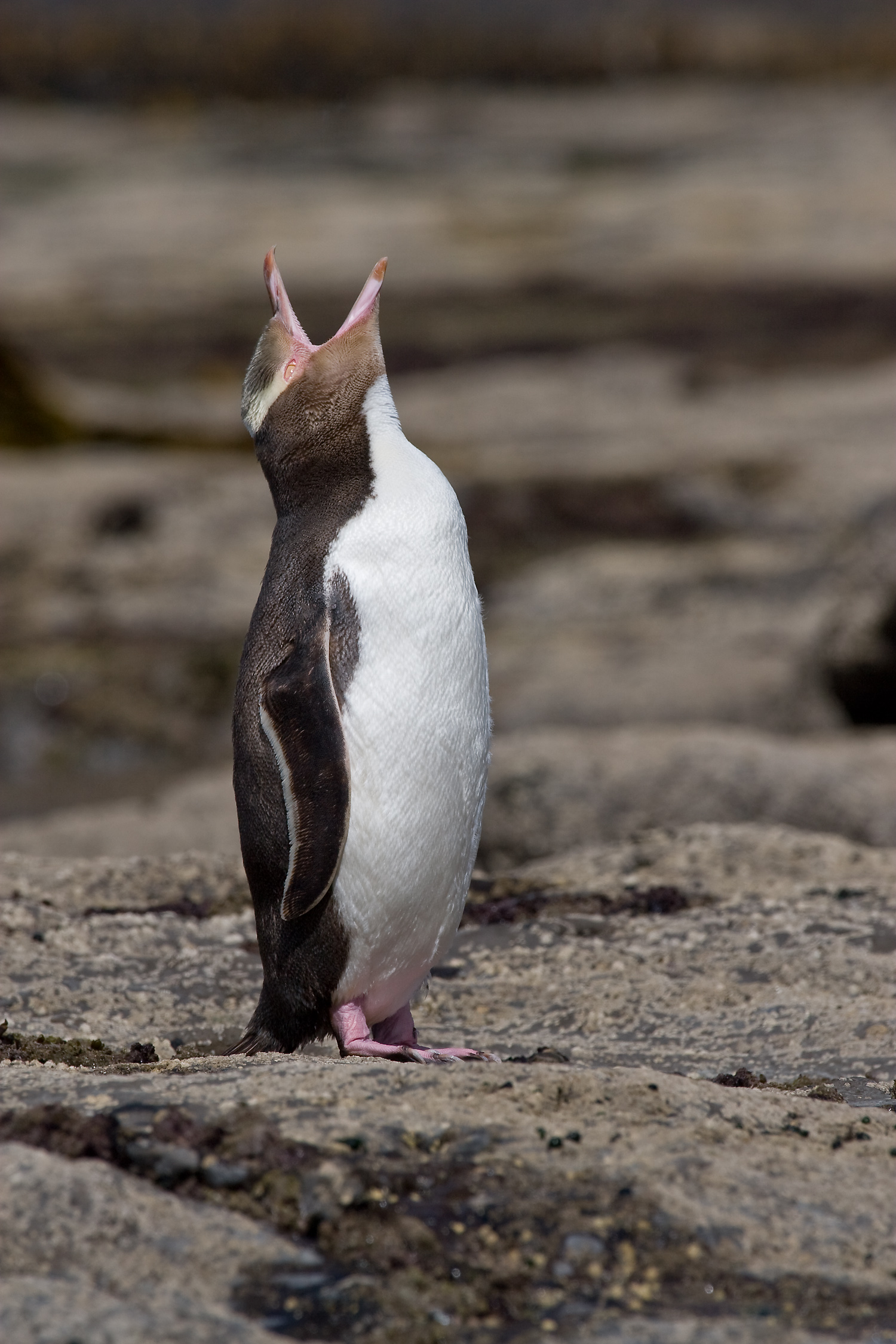
Yellow-eyed Penguin (Megadyptes antipodes), crying, Curio Bay, New Zealand: photo by Christian Mehlführer, 2008

File:Underwater mcmurdo sound.jpg

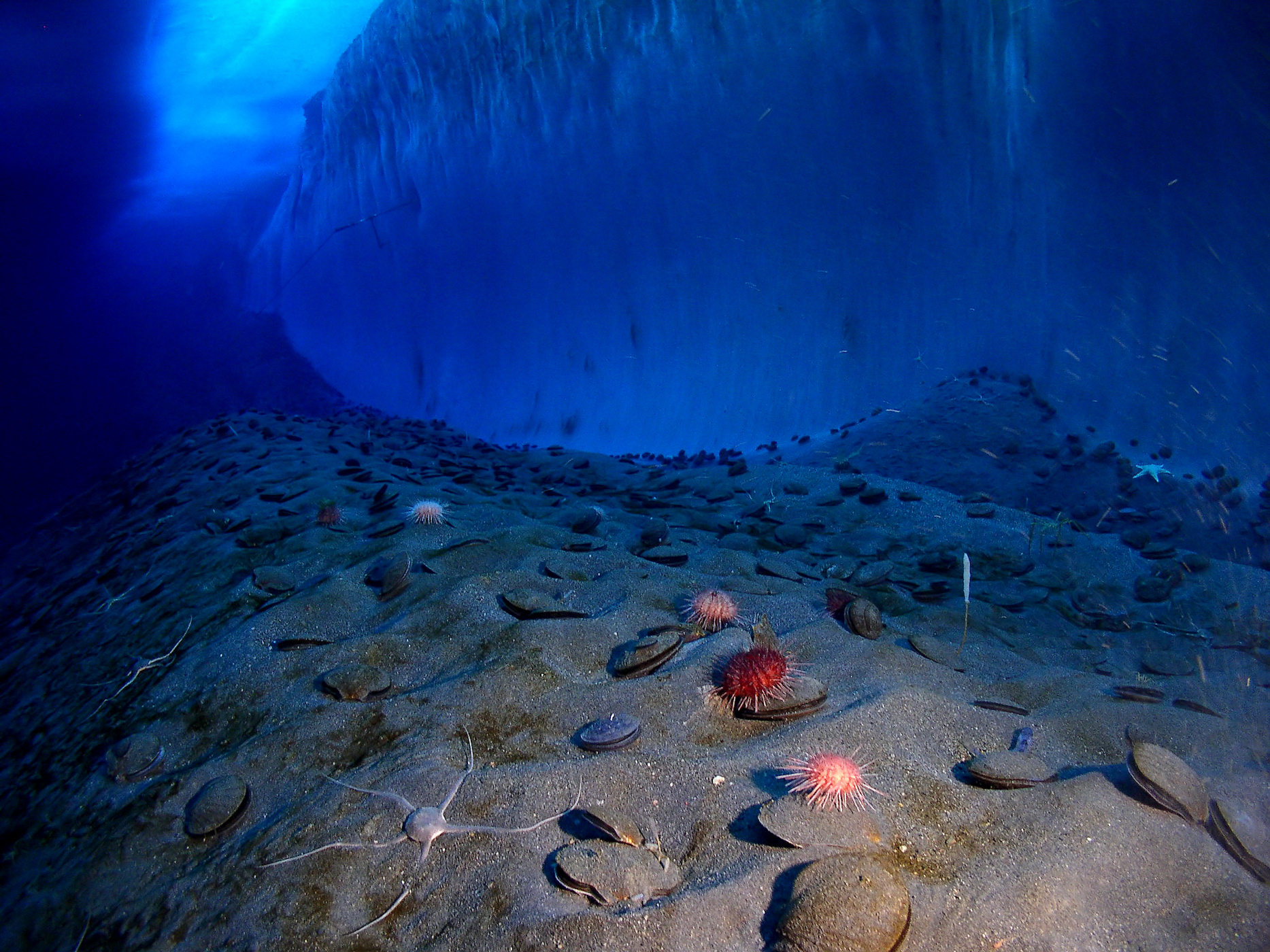
Ice wall and ocean floor at Explorer's Cove, New Harbor, McMurdo Sound, with visible species including Antarctic Scallop (Adamussium colbecki), Common Antarctic Sea Urchin (Sterchinus neumayeri), Bush Sponge (Homaxinella balfourensis), Brittlestar (Ophionotus victoriae), and Seaspiders (Colossendeis sp.): photo by Steve Clabuesch (NSF/USAP)

Thomas Wyatt: Fruitless Fruit ("Avysing the bright bemes of these fayer Iyes")


.

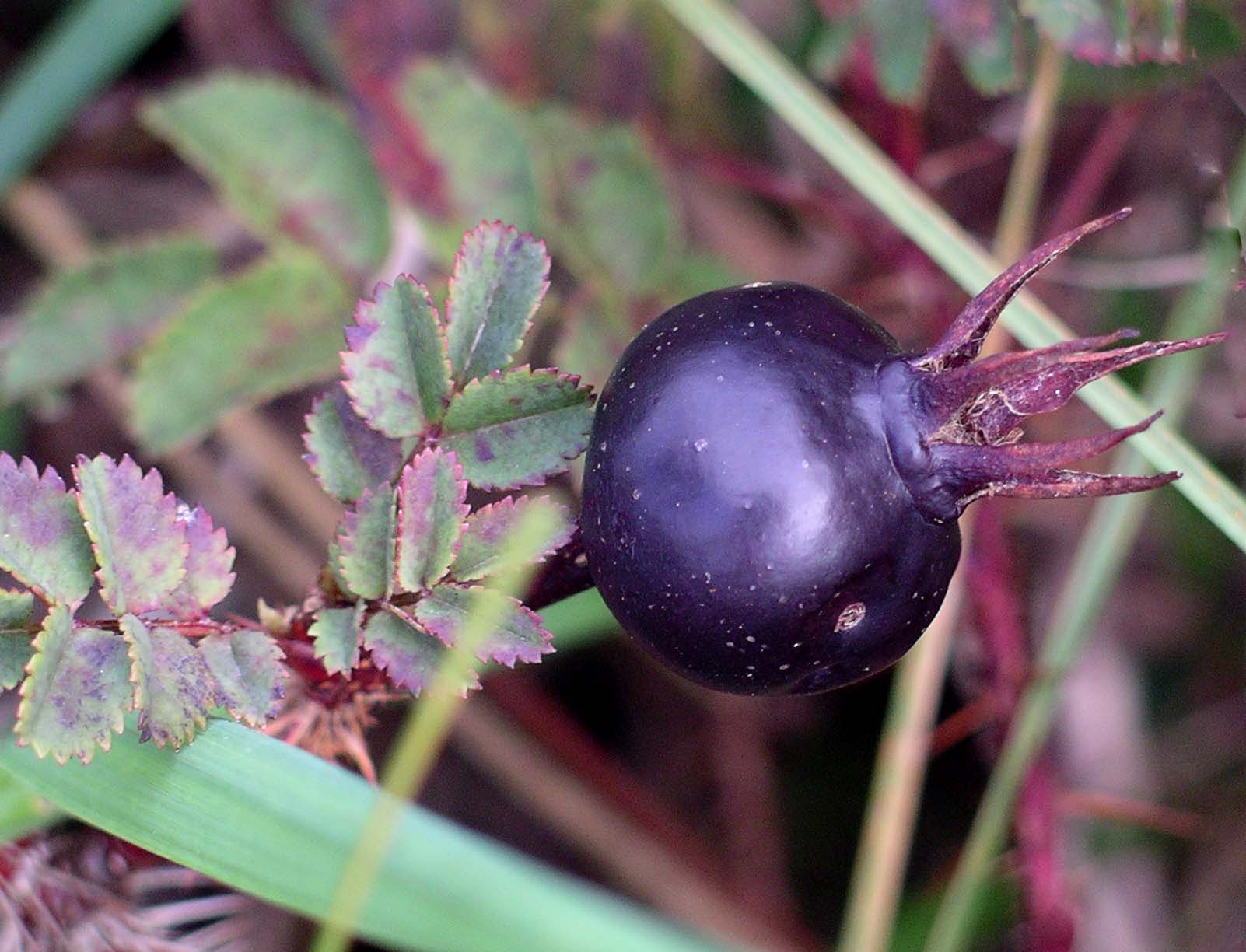
File:Rosa rugosa Frucht 1.jpg

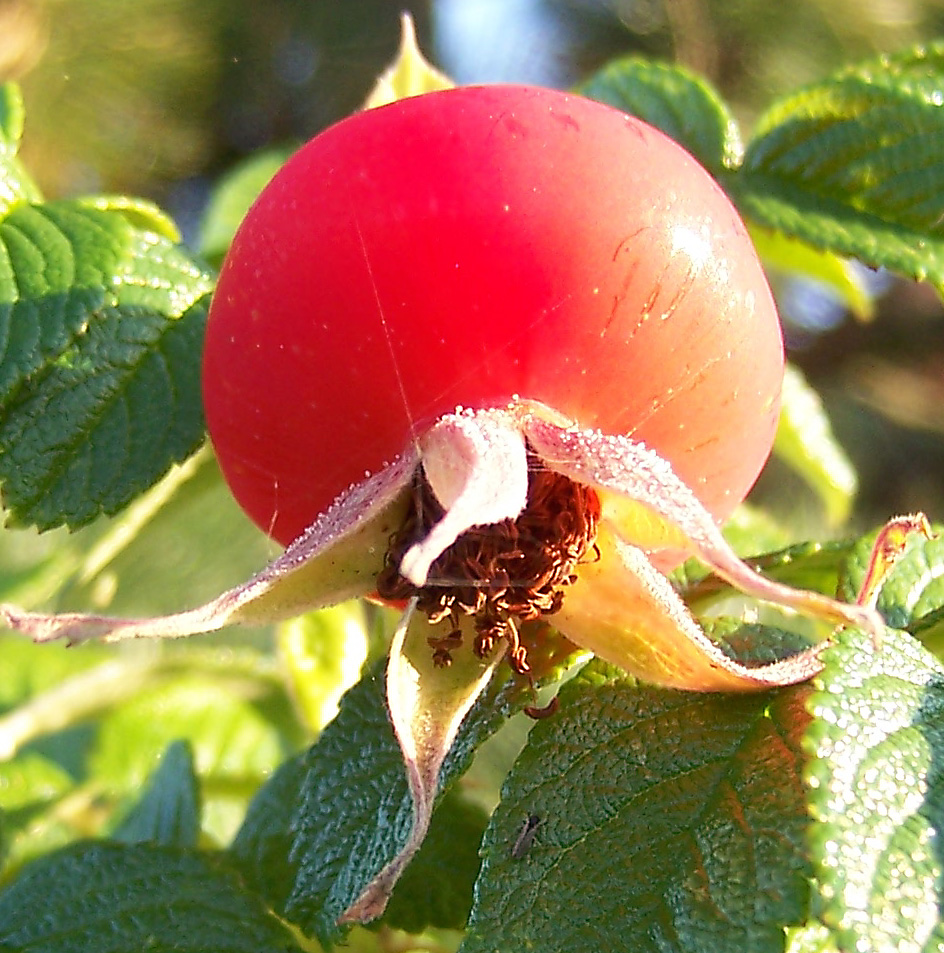
Fruit of the potato rose (Rosa rugosa), October, on the North Sea island Spiekeroog: photo by Jürgem Nowaldt, 2005


Avysing the bright bemes of these fayer Iyes
...where he is that mine oft moisteth & washeth
...the werid mynde streght from the hert dep[ar]teth
...for to rest in his woroldly p[ar]adise
And fynde the swete bitter vnder this gyse
...what webbe he hath wrought well he p[er]ceveth
...whereby with him self on love he playneth
...that spurreth with fyer and bridlith w[i]th Ise
Thus is it in suche extremitie brought
...in frossen though[t] nowe and nowe it stondeth in flame
...twyst misery and welth twist ernest & game
...But few glad and many dyvers thought
...with sore repentance of his hardines
...of suche a rote cometh ffruyte fruytles


Thomas Wyatt (1503-1542): Avysing the bright bemes of these fayer Iyes: transcription by Ricard Harrier (1975) from British Library Egerton MS 2711, fol. 22


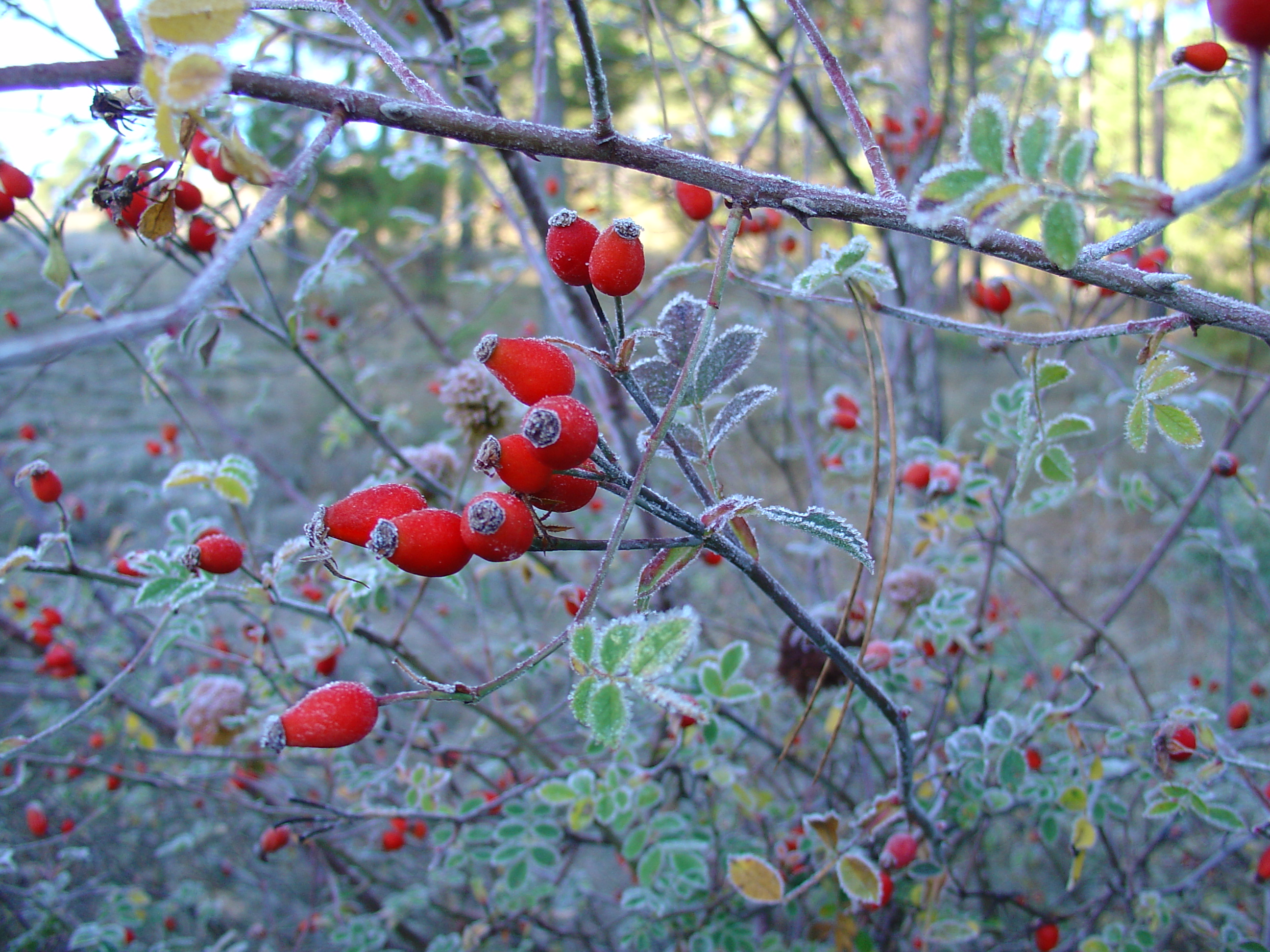
File:Rosa pimpinellifolia hip.jpg

Fruit (hips) of Rosa pimpinellifolia, growing in Newborough Warren, 16 October
: photo by Velela, 2006


Mirando 'l sol de' begli occhi sereno,
Ove è chi spesso i miei depinge e bagna,
Dal cor l' anima stanca si scompagna
Per gir nel paradiso suo terreno.
Poi, trovandol di dolce e d' amar' pieno,
Quant' al mondo si tesse opra d' aragna
Vede; onde seco e con Amor si lagna,
Ch' à sí caldi gli spron, sí duro 'l freno.
Per questi estremi duo, contrari e misti,
Or con voglie gelate, or con accese
Stassi cosí fra misera e felice.
Ma pochi lieti, e molti penser tristi;
E 'l piú si pente de l' ardite imprese:
Tal frutto nasce di cotal radice.


Wyatt's source: Petrarch (Francesco Petrarca, 1304-1374): Canzoniere CLXXIII


File:Rose hip.jpg

Rose hip: photo by Elucidate, 2008

File:Rosa Cuenca.JPG

Rose hips, Sierra de Valdemeca, Cuenca, Spain, 29 October
: photo by Retama, 2007